Hi, I'm Ajay D. Sudhir
AI Researcher specializing in Neuro-Symbolic Learning & Human-AI Interaction
"Teaching machines to learn, so humans can do more."

AI Researcher specializing in Neuro-Symbolic Learning & Human-AI Interaction
"Teaching machines to learn, so humans can do more."
I am a passionate AI researcher and computer science student at UNC Charlotte, specializing in neuro-symbolic cognitive architectures and human-AI interaction. My work focuses on bridging the gap between symbolic reasoning and neural learning to create more intelligent and adaptable AI systems.
B.S. Computer Science - AI, Robotics, and Gaming
Minors: Electrical Engineering, Mathematics, and Statistics
Honors: University Honors Program, College of Computing and Informatics Honors
Graduation: May 2026 GPA: 4.0/4.0
I have lived most of my life in India and America. I speak English, Hindi, Malayalam, and Tamil.
I love watching Formula 1, Soccer, and Basketball. There's nothing like the thrill of competition!
Favorite series: Sherlock Holmes, Friends, and Money Heist
Favorite movies: The Dark Knight, Interstellar, and Inception

Brief description of the project and its key features.
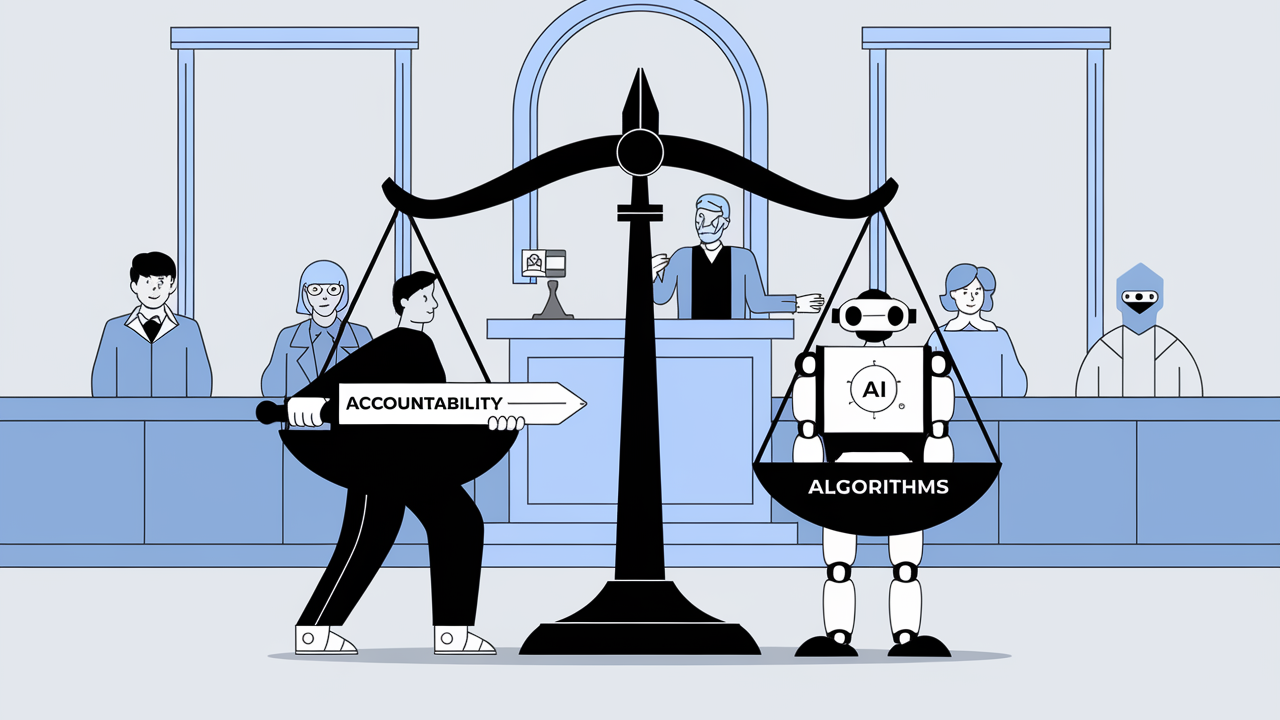
Advisor: Dr. Divya Ramesh
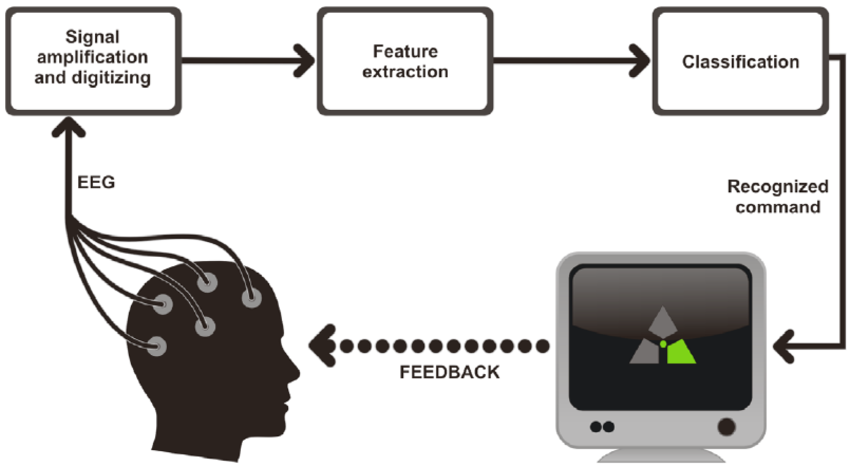
Advisor: Dr. Minwoo Lee
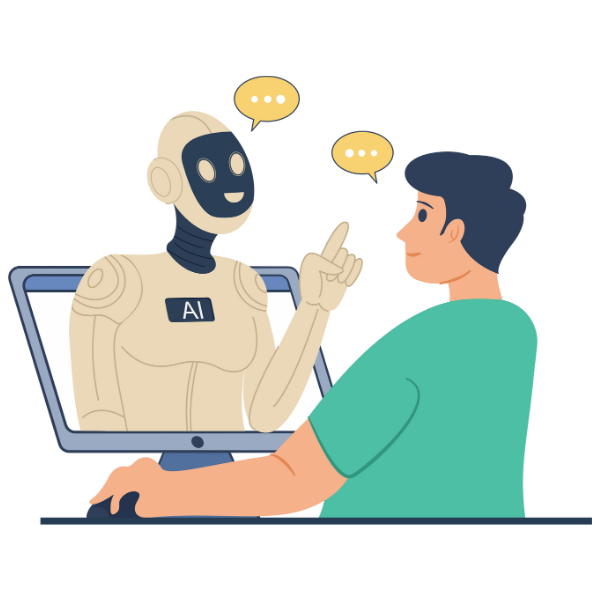
Advisor: Dr. Elizabeth Johnson
Johnson, L., Sudhir, A. D., & Padmapriya, A. A.
International Journal of Humanities and Social Science, 15, 329-339.
Abstract:
As generative AI systems become increasingly capable of nuanced conversation, a new query arises not whether they can assist humans, but whether AI can engage with us. This study investigates whether large language models (LLMs) can replicate the emotional reciprocity, presence, and anticipatory resonance that are fundamental to human friendship, as envisioned by Aristotle. Over five weeks, four LLMs — ChatGPT, Gemini, Deepseek, and Qwen — engaged in structured, daily dialogue with three human researchers through a mixed-methods approach that combined sentiment analysis and thematic coding. Only ChatGPT consistently mirrored warmth and curiosity, simulating a sense of friendship. The other LLMs relied on text disclaimers and algorithmic function-focused tone. The findings suggest that the relational effect of AI is less about sheer technical horsepower and more about design philosophy, specifically what we choose to make AI for.
This study offers not only data but also a reflection: if friendship is co-created, what does it mean when one party is not human but still manages to be present?
 IEEE (Institute of Electrical and Electronics Engineers)
 ACM (Association for Computing Machinery)
 AAAI (Association for the Advancement of Artificial Intelligence)
 Phi Kappa Phi Honor Society
 NSLS (National Society for Leadership and Success)
 CAIR (Charlotte AI Research)
 CCI Student Council
 Gold Rush Robotics
IEEE (Institute of Electrical and Electronics Engineers)
ACM (Association for Computing Machinery)
AAAI (Association for the Advancement of Artificial Intelligence)
Phi Kappa Phi Honor Society
NSLS (National Society for Leadership and Success)
CAIR (Charlotte AI Research)
CCI Student Council
Gold Rush Robotics
IEEE (Institute of Electrical and Electronics Engineers)
ACM (Association for Computing Machinery)
AAAI (Association for the Advancement of Artificial Intelligence)
Phi Kappa Phi Honor Society
NSLS (National Society for Leadership and Success)
CAIR (Charlotte AI Research)
CCI Student Council
Gold Rush Robotics
IEEE (Institute of Electrical and Electronics Engineers)
ACM (Association for Computing Machinery)
AAAI (Association for the Advancement of Artificial Intelligence)
Phi Kappa Phi Honor Society
NSLS (National Society for Leadership and Success)
CAIR (Charlotte AI Research)
CCI Student Council
Gold Rush Robotics
Gold Rush Robotics
IEEE (Institute of Electrical and Electronics Engineers)
ACM (Association for Computing Machinery)
AAAI (Association for the Advancement of Artificial Intelligence)
Phi Kappa Phi Honor Society
NSLS (National Society for Leadership and Success)
CAIR (Charlotte AI Research)
CCI Student Council
Gold Rush Robotics
IEEE (Institute of Electrical and Electronics Engineers)
ACM (Association for Computing Machinery)
AAAI (Association for the Advancement of Artificial Intelligence)
Phi Kappa Phi Honor Society
NSLS (National Society for Leadership and Success)
CAIR (Charlotte AI Research)
CCI Student Council
Gold Rush Robotics
IEEE (Institute of Electrical and Electronics Engineers)
ACM (Association for Computing Machinery)
AAAI (Association for the Advancement of Artificial Intelligence)
Phi Kappa Phi Honor Society
NSLS (National Society for Leadership and Success)
CAIR (Charlotte AI Research)
CCI Student Council
Gold Rush Robotics